AI & Neural Tech Enthusiast | PMP Certified | Top Secret Clearance
Hi there! I'm a recent Johns Hopkins graduate with a Master's in Biomedical Engineering and a dual Bachelor's in Biomedical and Electrical Engineering from Case Western Reserve University. I love working at the intersection of hardware and software - whether it's designing circuitry, building custom PCs, or experimenting with AI models. I'm passionate about using technology to solve real-world problems and always excited to learn something new. Nice to meet you!
I am a Biomedical and Electrical Engineer with a Master's in Biomedical Engineering from Johns Hopkins University and a Bachelor's from Case Western Reserve University. I bring a strong foundation in analog and digital circuit design, embedded systems, and biomedical instrumentation, along with project leadership experience across both academic and industry settings.
My background includes designing and testing biosensors, neural probe coatings, and analog control systems, as well as experience working with microcontrollers (Raspberry Pi, Arduino, Picaxe), MATLAB, and PCB design using KiCad and EasyEDA. I've conducted funded neural engineering research, developed biologically accurate musculoskeletal models, and led independent sensor testing initiatives at a publicly traded medical device company.
Currently, I work part-time as a Project Engineer at Optisources Inc., where I use Python, C++, HTML, and AI technologies for government-related applications. I hold an active TS security clearance and am FE-certified in Electrical and Computer Engineering. I am seeking a full-time opportunity in electronics, biomedical instrumentation, or technical project management, where I can apply my engineering training and cross-disciplinary experience to build impactful medical or embedded technologies.
Johns Hopkins University
August 2024 - May 2025
GPA: 3.8
Case Western Reserve University
August 2020 - May 2024
GPA: 3.4
U.S. Government
Active
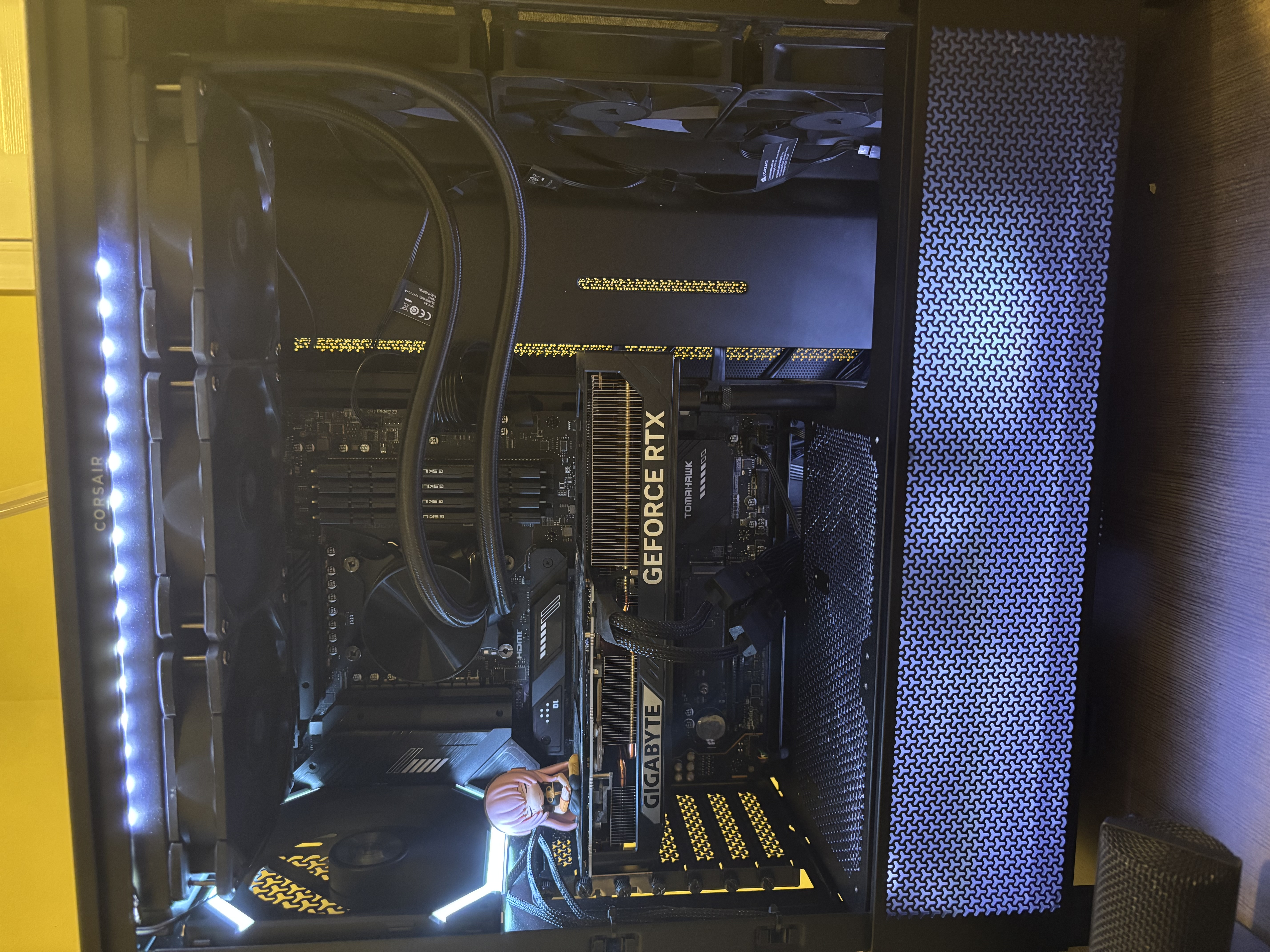
Recently I've had more time to play around with electronics, which has been a lot of fun. I built a PC with a 9900X and a 5070, and I'm pretty happy with how it turned out. I've been experimenting with local models, learning how to run them and get them to do what I want. I tried GPT-OSS 20B recently when it became available on Ollama and it ran well on my machine, although I do wish I had gotten a graphics card with more VRAM since anything above about 35B parameters runs painfully slow.
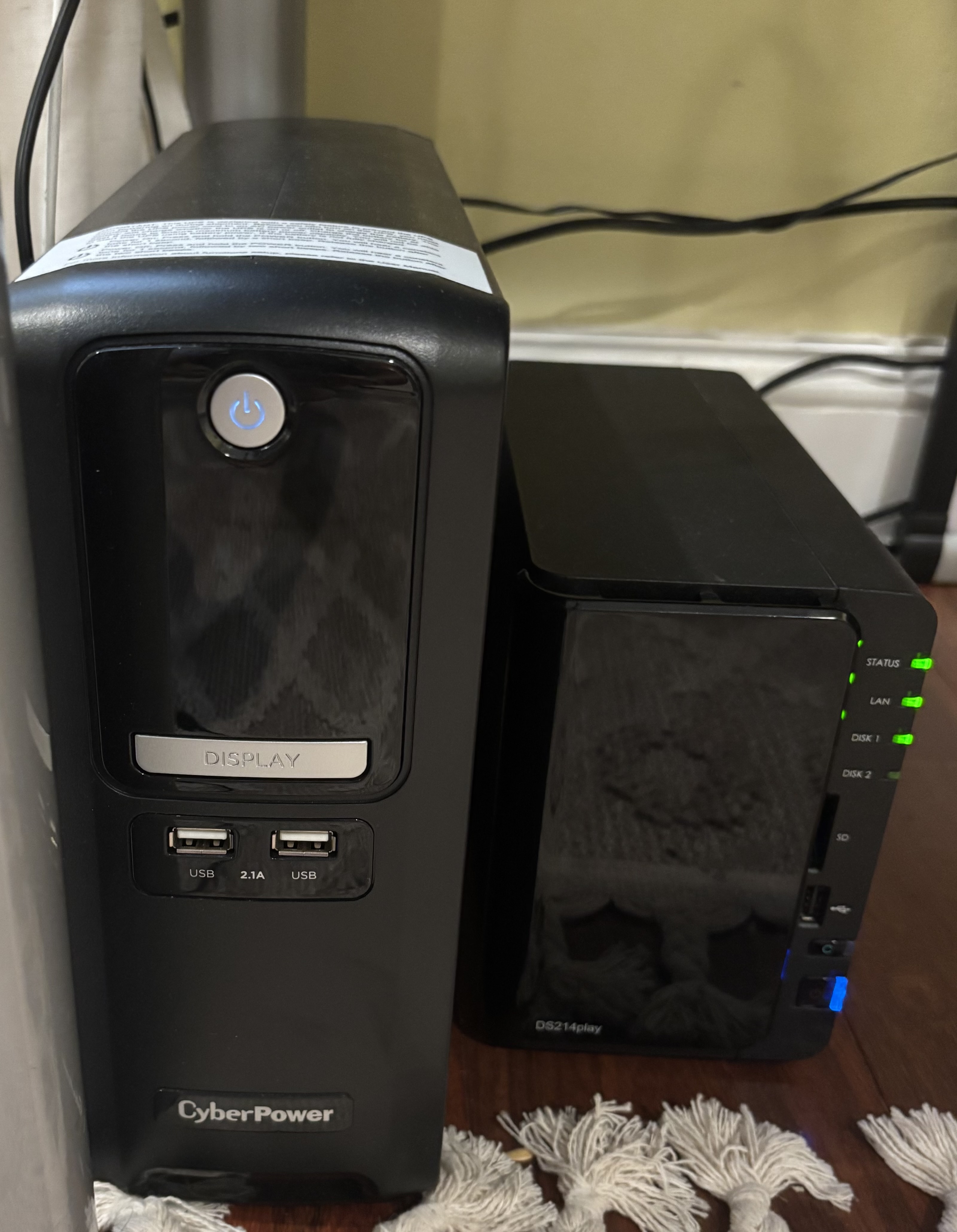
I found a bunch of old electronics that my dad was about to throw away, which felt like a treasure trove. Among them were three plastic enclosure storage devices. I took them apart and found hard drives inside. One was a SAS drive that I couldn't use, but I managed to add 3 TB of storage to my PC. After that, I wanted to build a NAS for the household. While I was initially going to go with a Pi based solution, I found an old Synology NAS sitting around in the house which I was able to get up and running.
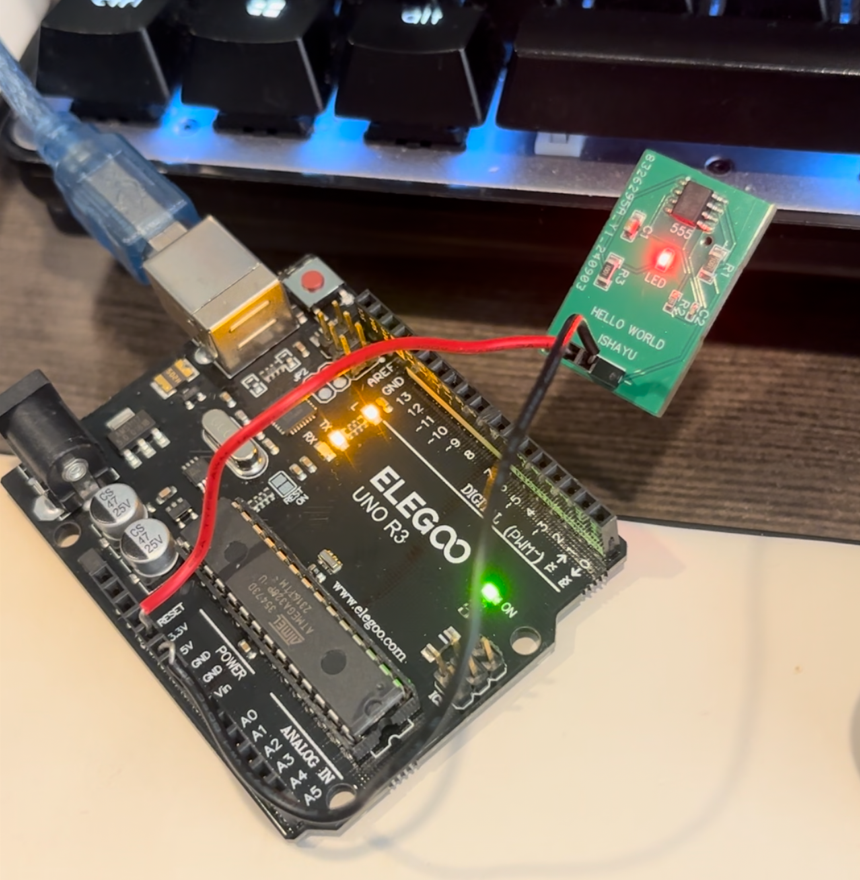
Working with EasyEDA and KiCad for PCB design. My first project was a 555 astable circuit manufactured through JLCPCB. A key learning: it's better to start designing the circuit with manufacturing placements in mind to reduce cost and hassle.
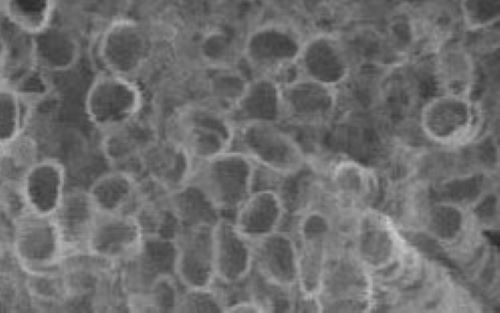
Working with Dr. Amani Hamedani and Dr. Capadona's labs on drug-releasing coatings for intracortical microelectrodes. Currently have a paper in review as first author, focusing on titanium oxide nanotubes for controlled drug release.
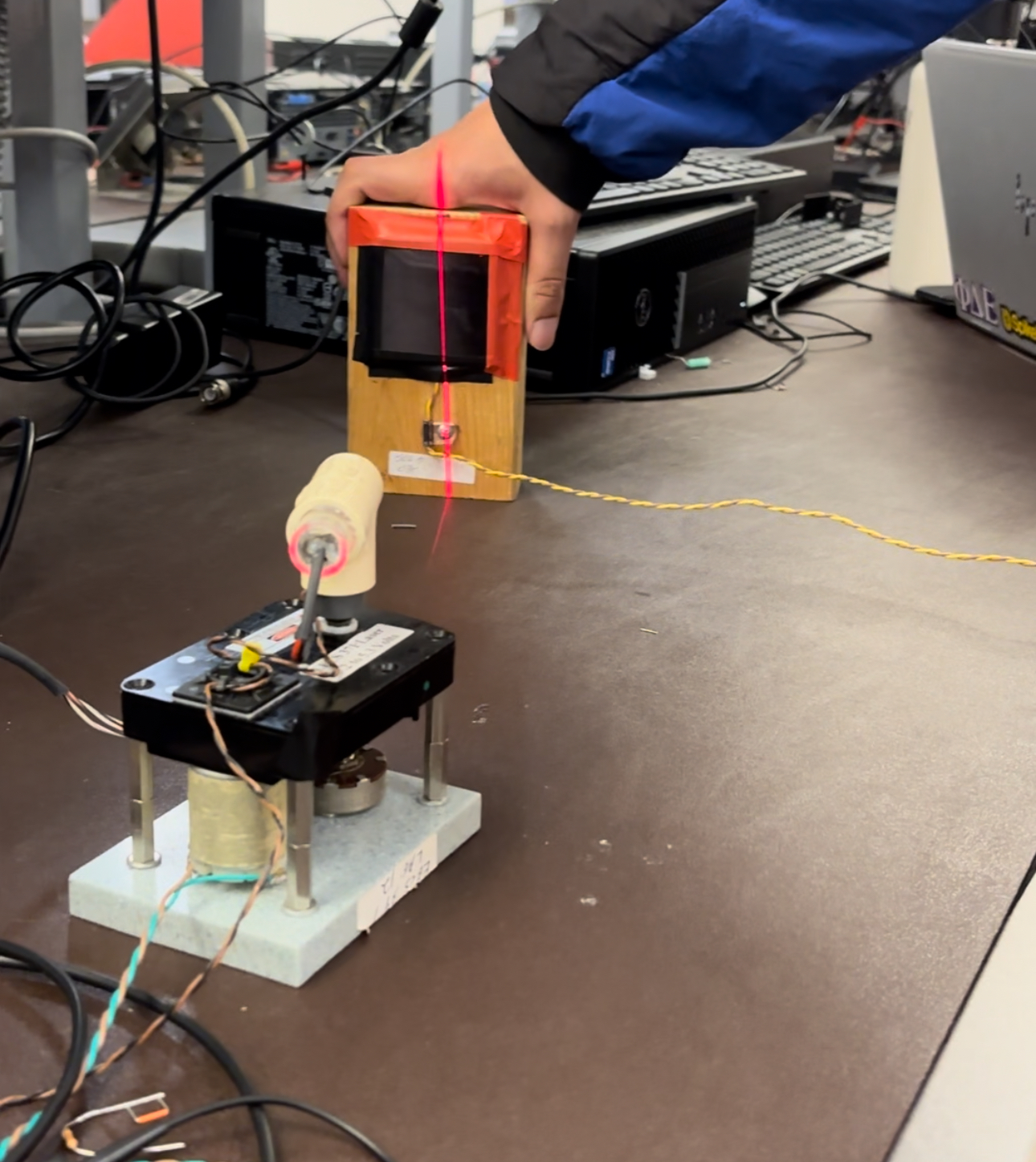
Through ECSE 371 (Larry Lab) and as a TA for Intro to Circuitry, I've built switching power supplies, function generators, ADC/DACs, Triac controllers, PWM motors, and PI controlled servos. In biomedical devices, I've worked on EMGs, pH sensors, pulse oximeters, and Wheatstone Bridge temperature sensors using Raspberry Pi, Arduino, and Picaxe microcontrollers.
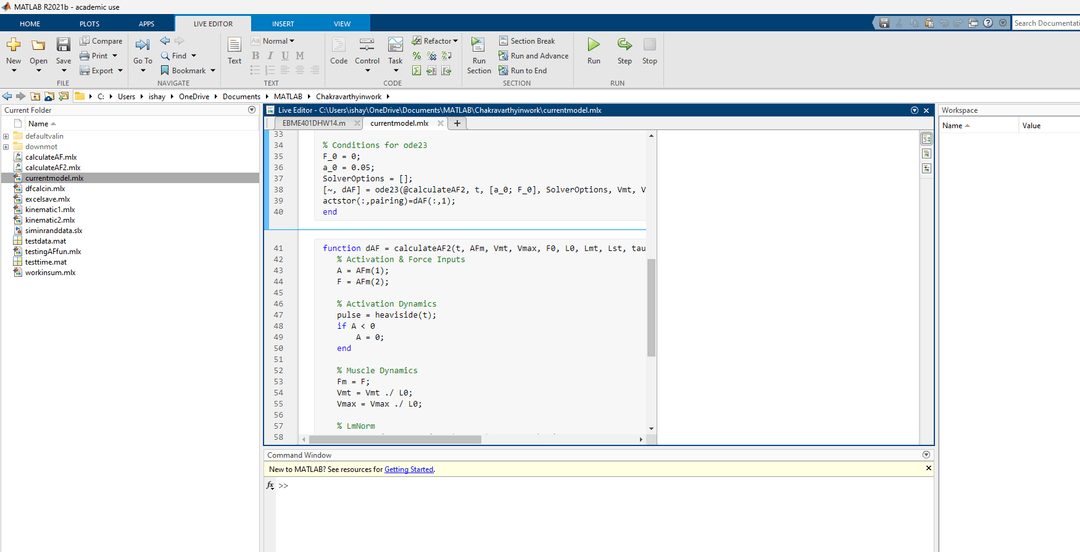
During summer 2023, I worked in a computational neuroscience lab at IIT Madras, creating a biologically accurate neck model to simulate Parkinson's disease's impact on neck movements. Used MATLAB, Hill's Muscular Model, and OpenSim for this research while gaining valuable international collaboration experience.
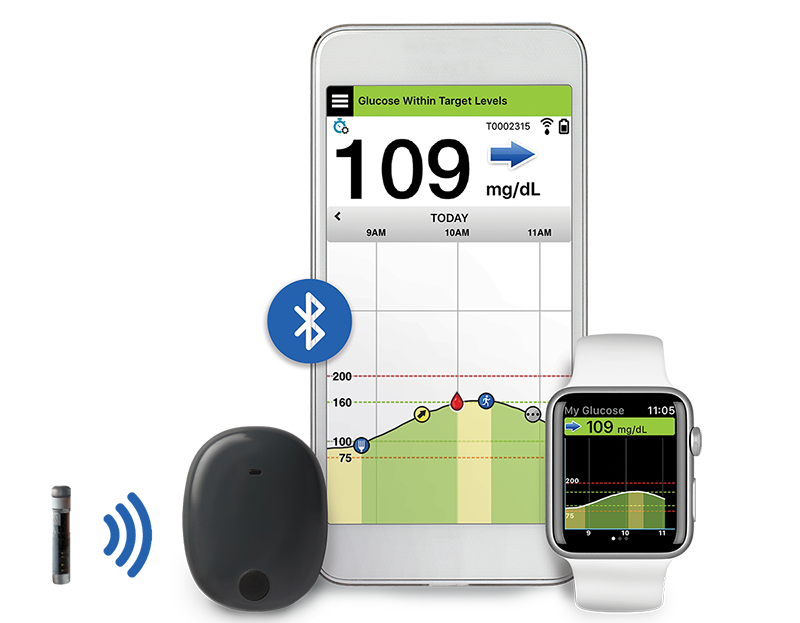
In summer 2022, I interned at Senseonics Inc., working in process development for their FDA-approved continuous glucose monitor. Led two independent projects: testing sensor efficacy in quality assurance rigs and exploring methods to track shipment parameters to reduce losses. This gave me valuable experience in corporate biomedical engineering.
I'm always open to discussing new opportunities in biomedical engineering, neural technology, and AI applications in healthcare.